
Overview of Postsecondary Policy Recommendations
February 2026
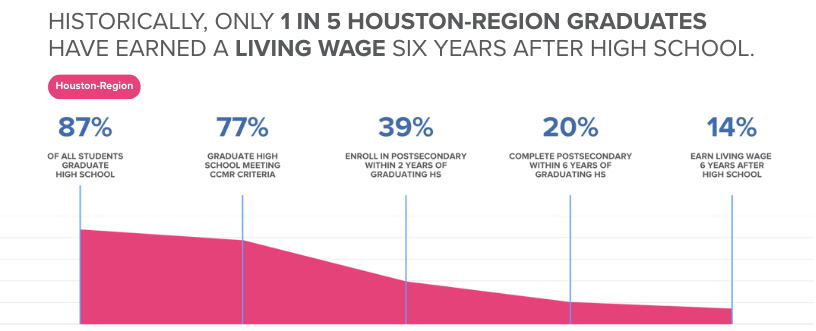
Every student deserves to graduate with the knowledge and skills to succeed in college, careers, and life. That foundation opens the door to a living wage and a future full of opportunity. To make that vision a reality, our regional school districts must put strong, lasting policies in place that protect progress and make it easier for all students to access clear pathways to college, careers, and good-paying jobs after graduation.

Early and sustained access to advising helps students explore college and career pathways, choose courses aligned to their goals, navigate opportunities that build in-demand skills, and make informed decisions to prepare for life after high school.
Our model policy sets both students and advisors up for success by establishing a continuous advising system from elementary through high school, combining early career exploration with individualized support as students progress. By setting a manageable student-to-advisor ratio, it ensures students receive guidance aligned to graduation, college and career pathways, and proven opportunities like advanced coursework and work-based learning.

Advanced courses help students build strong academic skills, earn college credit, and graduate better prepared for college and careers. Too often, access depends on where a student attends school or whether families know how to opt in. These barriers prevent many students who are ready for advanced work from getting the opportunities they deserve.
Alongside state-required advanced math pathways in middle school, this model policy automatically enrolls students who qualify into advanced courses in core high school subjects based on their academic record. Families receive clear information about course placement and benefits, but may choose to opt their child out with the support of a counselor.
The policy also expands access to free dual-credit opportunities and helps ensure students have consistent access to advanced coursework across campuses by requiring a baseline set of advanced courses to be offered districtwide.
To pursue strong career options, students need high quality CTE programs that are rigorous, relevant, and aligned to in-demand credentials that build the knowledge and skills employers and postsecondary programs expect. These pathways must align to the workforce students will enter after graduation so students can successfully transition into postsecondary education, training, or a living wage career.
This model policy requires districts to align CTE programs to future high-demand, high-wage careers using job market, student outcome, and industry trend data. It establishes expectations for regularly reviewing and updating CTE pathways to ensure they remain relevant and effective. The policy also protects students by requiring transition plans when programs change, so students can complete a full program without interruption.

Enter your email address and we’ll send these documents to you.
February 2026

February 2026

February 2026

February 2026

February 2026

February 2026

Sign Our Petition