Good Reason Houston’s annual connectED convening in the fall united thousands of Houstonians to rally behind a new goal: to increase the number of students in the Houston region on the path to economic mobility by 45,000 by 2028. Critical to reaching this goal is tracking our success across the region in ensuring students meet major educational milestones. To do that, we are using a new education continuum that follows student success from the first day of pre-K to the first day on the job. Our Education Snapshot captures these indicators and ties the effectiveness of our Pre-K-12, higher education, and workforce development systems to the ability of young people to pursue lives filled with choices and long-term economic opportunities.
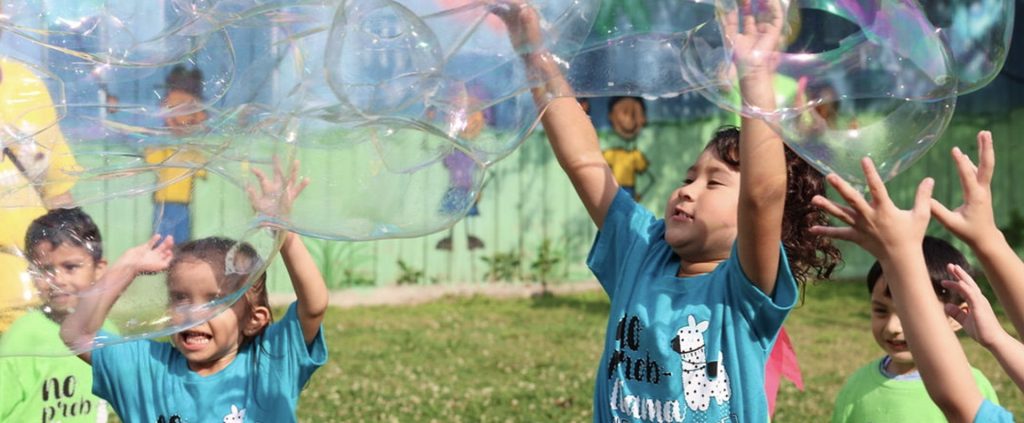
The education continuum reflects an integrated, coordinated, and comprehensive system of care that begins when our children first set foot in our schools – prekindergarten. Our examination of early learning focuses on three metrics – pre-k enrollment, kindergarten readiness, and early grade reading and math. Tracking these indicators helps us ensure that we’re giving our children the foundation they need to succeed in all stages of life.

The first measure – pre-k enrollment – is perhaps the most important. In Texas, many of our 3- and 4-year-olds are eligible for free public prekindergarten. These students largely come from economically disadvantaged backgrounds or speak a language other than English at home. Getting those students into pre-k programs really matters. Students who were eligible for and enrolled in free public pre-k were 2.4x more likely to meet early numeracy and literacy standards than students who were eligible for free public pre-k but didn’t attend. We’ve made some progress as a Houston region in pre-k enrollment in recent years, but still fewer than half of our eligible 3- and 4-year-olds are enrolling. We can do more.
This metric shows the percentage of 3- and 4-year-olds eligible for free public pre-K who were enrolled in those programs in a given year. Though the rate of public Pre-K enrollment among eligible students declined during the COVID-19 pandemic, the Houston region has made steady progress in returning to pre-pandemic enrollment levels. Still, less than half of eligible 3- and 4-year-olds were enrolled in public Pre-K programs in 2024.
Kindergarten readiness is an indicator of how prepared students are entering into the public school system with foundational knowledge like phonemic awareness and number recognition. This metric represents the percentage of assessed incoming kindergarteners who met early readiness standards in reading and math.
In 2024, nearly 60% of incoming kindergarteners were assessed as school-ready, up from 52% in 2023. Students who enrolled in public Pre-K programs were even more likely to enter kindergarten school-ready.
Meeting grade level expectations in both reading and math early in elementary school enables students to build upon their knowledge and skills in later years and is a key marker of students’ long-term academic success. This figure shows the percentage of third graders meeting grade level standards on state-administered STAAR tests in both math and reading.
Because this metric shows the percentage of students meeting grade level standards on both math and reading, a number which Good Reason Houston obtains via a Public Information Request from the Texas Education Agency, it is different than publicly reported STAAR data, which shows the proportion of students meeting standards on a single subject at a time. Looking at data in that way shows that our region’s third graders were actually slightly less likely to meet standards in both math and reading in 2024 than in 2023, although this number will likely rise when the 2025 data becomes available given the widespread progress we saw on STAAR last school year.